Missions and objectives

A clear roadmap

The Immun4Cure institute focuses on the development of immunotherapies and therapeutic innovation in the field of autoimmune diseases.

A source of progress

Building on the experience of cell therapies

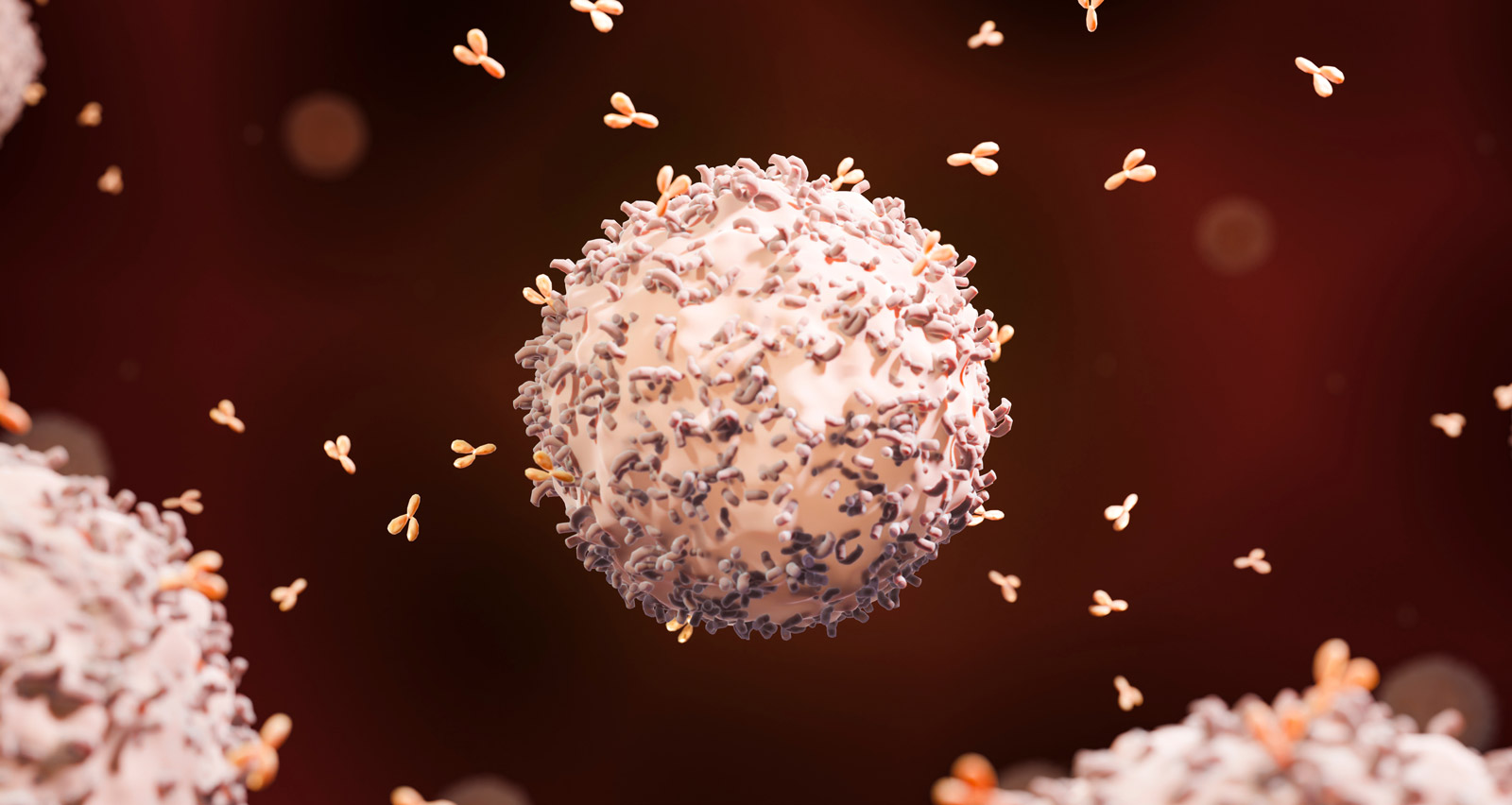
Recent approvals in oncology of CAR-T cells (T lymphocytes genetically modified to recognise and eliminate target cells) have highlighted the potential of these cell therapies and profoundly transformed the landscape of patient care and the drug market. These cells are now a source of progress both medically and economically.

Provided that targets and cells designed for a desired function are available, the demonstration of their ability in humans to kill and control B cells in the long term has prompted trials in severe autoimmune diseases.

With its expertise, the Immun4Cure institute offers a break with conventional therapeutic strategies.

A unique combination of expertise

Developing new therapeutic tools

The Immun4Cure institute is developing new cellular and biological therapeutic tools to completely restore immune homeostasis in autoimmune diseases and change the course of care and prognosis.

This unique combination of expertise enables us to pursue the following main objectives:

  • Improve and disseminate knowledge on immunopathology, immune response modelling and the identification of new targets.

  • Innovate cellular strategies to restore immune homeostasis.

  • Develop cell-, RNA- and nanobody-based therapies to target specific autoimmune B lymphocytes.

  • Follow a comprehensive translational pathway to accelerate clinical transfer.

  • Monitor engineered T cells using new imaging tools and functional tests.

  • Assess the economic, societal and ethical impacts of treating patients with genetically modified immune cells.

Improving to provide better care

This project has 3 main objectives for patients

1. Improving patient diagnosis and monitoring

Immun4Cure includes technical platforms enabling comprehensive phenotyping of patients on a large scale: genomics, transcriptomics, epitranscriptomics, proteomics, mapping of VDJ gene rearrangements in antibodies, B and T cell receptor repertoire, epitope mapping, immune phenotyping, etc. All these data will be used via integrated systems biology at the single-cell level. This multidisciplinary approach aims to identify new diagnostic biomarkers, stratify patients for diagnosis and care, and implement personalised follow-up.

2. Developing new cell therapy products

Our efforts are focused on the original development of innovative new products to target and eradicate specific autoimmune B cells, including:

  • Chimeric antigen receptors (CARs) on Treg cells specific to the characterised antigen and based on B cell receptor sequencing or autoantibody epitope mapping.
  • Chimeric autoantibody receptors (CAAR) on T/NK cells. 
  • Biotherapies including RNA for in situ reprogramming of immune cells and nanobodies.

3. Defining a new care pathway for patients

The ultimate goal of Immun4Cure is to improve clinical care for autoimmune diseases. The Interdisciplinary Centre for Autoimmune Diseases (CIMA), located at St Eloi Hospital, is dedicated to consultations, clinical care and the administration of cell therapies developed within the institute.

The societal impact and medico-economic consequences of these new innovative therapies will be examined by the University’s humanities department.

Treatment of autoimmune diseases

Our 4 ambitious goals
for treating autoimmune diseases

1

Research

Developing targeted therapies through a better understanding of the immune response.

2

Healthcare

Creating an optimised care pathway dedicated to autoimmune diseases.

3

Innovation

Offering patients innovative therapeutic solutions.

4

Training

Promoting training in immunology and biotechnology.

Rechercher sur le site